
Aerospace and Defense Grade TITANIUM CNC MACHINING
Titanium is one of the most demanding materials a machine shop can run. Its combination of high strength, low thermal conductivity, and strong reactivity with cutting tools creates conditions that punish generic tooling strategies and underpowered equipment. In shops not built for it, the result is tool wear, dimensional drift, poor surface finish, and parts that do not conform to the print.
Carr Machine & Tool machines titanium alloys for aerospace, defense, and space customers from Elk Grove Village, Illinois. Our 5-axis milling capability, material-specific process planning, and AS9100D-certified quality system are built to produce titanium components that conform to your drawing on the first article and consistently across production lots.
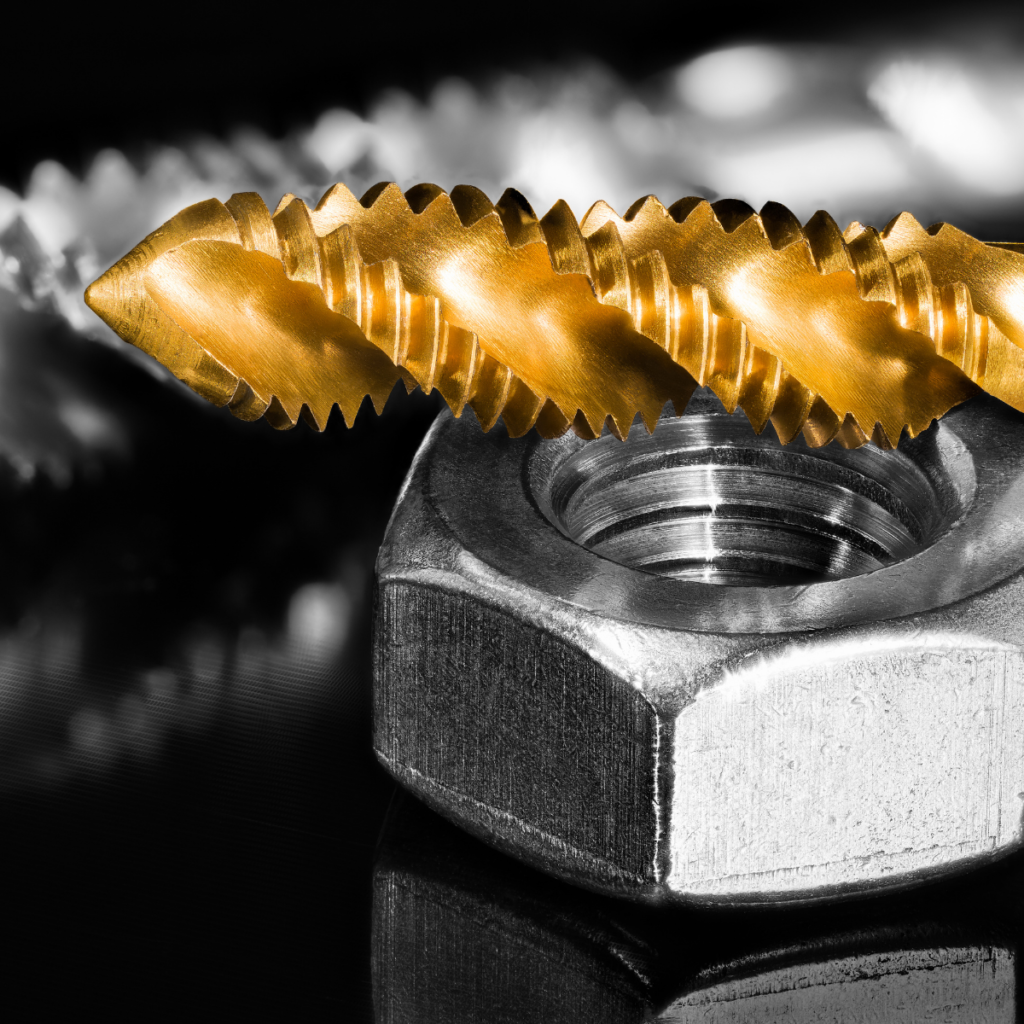

Why Titanium Is Difficult to Machine & Why It Matters Who You Choose
Titanium’s advantages come with significant challenges. It dissipates heat slowly, reacts with cutting tools, and tends to spring back during machining. These characteristics make it difficult to hold tolerances and maintain surface quality, unless every process is controlled.
CARR’s titanium CNC machining process addresses those challenges through:
- High-pressure coolant delivery to control cutting temperature.
- Specialized tooling designed for low friction and heat resistance.
- Real-time spindle and toolpath monitoring to prevent chatter and deflection.
- CAM software tuned for titanium’s unique cutting behavior.
This approach allows our team to machine intricate features and tight-tolerance components with accuracy and repeatability across multiple production runs.
Materials We Machine
We machine a full range of aerospace, defense, and industrial materials within our quality system. Material certifications are sourced, documented, and tied to every job traveler.
If your program specifies a material not listed here, contact us with your specification. We work with additional alloy families and will confirm capability directly.
| Material Family | Specific Alloys |
|---|---|
| Titanium Alloys | Ti-6Al-4V, Ti-6Al-4V ELI, commercially pure grades |
| Nickel Superalloys | Inconel 625, Inconel 718, Waspaloy |
| Aluminum Alloys | 6061, 7075, 2024, 7050 |
| Stainless Steel | 303, 304, 316, 17-4 PH, 15-5 PH |
| Alloy Steel | 4140, 4340, 4130 |
| Tool Steel | A2, D2, H13 |
| Copper Alloys | Brass, Bronze, Beryllium Copper |
| Engineering Plastics | Delrin, Nylon, PEEK, Ultem |

Material Knowledge That Drives Quality
The success of a titanium project depends on understanding the alloy’s characteristics at every stage — from cutting speed to stress relief. Our engineers and machinists work together to develop machining parameters based on previous performance data, ensuring stability and predictability throughout production.
Titanium grades such as Ti-6Al-4V, Ti-6Al-2Sn-4Zr-2Mo, and commercially pure titanium are machined daily at our facility. Each grade behaves differently, and our process accounts for variations in ductility, work hardening, and thermal conductivity.
This material insight, combined with advanced CNC programming, results in titanium components that meet structural and functional requirements under extreme conditions.

Integrated Quality and Documentation
Our inspection department validates every part through first-article inspection, in-process verification, and final dimensional reporting. Measurement equipment is calibrated to aerospace standards and maintained in a temperature-controlled lab.
Each titanium CNC machining project includes a complete documentation package: certificates of conformance, raw material certifications, and inspection data reports. This system ensures transparency, compliance, and trust for every client.
OUR TITANIUM MACHINING CAPABILITIES
Discover our titanium machining capabilities below!

Precision 3-, 4-, and 5-Axis CNC Milling
Complex titanium aerospace parts, like structural brackets, fittings, and complex housings, often have compound angles, deep pockets, and multi-surface features. Our 5-axis milling capability lets us complete these features in a single setup, which is especially valuable in titanium, where repositioning adds setup time and increases fixture-error risk. Fewer setups also mean fewer opportunities for the surface quality problems that come from interrupted cuts on titanium.
CNC TURNING OF TITANIUM COMPONENTS
Titanium shafts, sleeves, bushings, and cylindrical parts require careful feed and speed management to maintain dimensional accuracy and surface finish across the full turning operation. We run titanium turning with material-specific tooling and cutting parameters developed from production experience — not estimated from material data sheets.


Thin-Wall and Lightweight Structure Machining
Weight-critical aerospace and space components in titanium often involve thin walls, ribs, and open-pocket structures that create deflection and vibration challenges during machining. We address these features through fixture design, toolpath sequencing, and in-process inspection to ensure conformance before the part comes off the machine.
FREQUENTLY ASKED QUESTIONS
Why is titanium more expensive to machine than aluminum or steel?
Titanium’s low thermal conductivity, chemical reactivity with cutting tools, and tendency to work-harden require slower cutting speeds, more frequent tool changes, and more conservative toolpaths than aluminum or steel. Cycle times are longer, tooling costs are higher, and the margin for error is smaller. Shops that try to run titanium with aluminum or steel parameters produce out-of-tolerance parts and consume tools at unsustainable rates. The cost is real, and it reflects the material’s behavior, not shop inefficiency.
What is the most common titanium alloy you machine?
Ti-6Al-4V (Grade 5) is by far the most common titanium alloy we machine. It is the standard structural titanium in aerospace and defense. We also machine Ti-6Al-4V ELI, commercially pure grades, and beta alloys depending on program requirements.
Can you hold tight tolerances on titanium parts?
Yes, with the appropriate process planning. Tight tolerances on titanium require material-specific tooling, programmed feeds and speeds, fixture strategies that account for part deflection, and CMM verification at the end. We build all of these into our process plan before the first part runs. Share your drawing and we will confirm achievable tolerances on your specific geometry.
Do you provide material certifications with titanium parts?
Yes. Material certifications with full chemistry and mechanical property data are provided with every titanium job. Certs are tied to your job traveler and retained in our quality records for the retention period specified by your program.
Can you machine titanium for space hardware programs?
Yes. We machine titanium for satellite structures, launch vehicle components, and space GSE with full material traceability, FAIR documentation, and ITAR-compliant handling of controlled drawings. We are AS9100D certified and ITAR registered for space program work.
Do you machine parts for customers outside of Illinois?
Yes. We ship precision-machined components to customers across the United States. Many of our aerospace and defense customers work with us entirely electronically. Drawings come in digitally; parts ship via freight.
Partner with a Proven Titanium CNC Machining Team
CARR Machine & Tool brings the right combination of technology, discipline, and craftsmanship to titanium manufacturing. By aligning CNC precision with material expertise, we help clients achieve tighter tolerances, cleaner finishes, and faster delivery times.
For engineers seeking a partner who understands titanium from the spindle to the final inspection report, CARR offers proven results.
Contact our team today to discuss your next titanium CNC machining project or request a detailed quote.